
The Architecture of the Bed: PTO Shafts for Ridge Formers
Foundation for the “30 by 30” Goal. High-Performance Power Transmission for Bed Shapers, Rotary Ridgers, and Soil Conditioners in Singapore’s Intensive Vegetable Farms.
Field Notes: Drainage is Life in the Tropics
In Singapore’s tropical climate, where heavy monsoon rains can inundate fields in minutes, the Raised Bed (Ridge) is the most critical structure in vegetable farming. Whether growing Chye Sim in Lim Chu Kang or sweet potatoes in Kranji, crops must be elevated to ensure root aeration and drainage.
The machine responsible for creating these perfect beds is the PTO-Driven Ridge Former (Bed Former/Stone Burier). Unlike simple passive ridgers, these machines utilize active rotary tines to pulverize the soil into a fine tilth before pressing it into a firm, shaped mound via a rear hood.
The Engineering Challenge:
1. Soil Flow & Resistance: The machine is not just cutting soil; it is moving large volumes of earth laterally and compressing it. This creates a high, continuous torque load known as “parasitic drag” on the driveline.
2. Compaction Zones: Singaporean farms often have compacted wheel tracks (tramlines). When the bed former rotor hits these hard zones, the torque spikes significantly.
3. Headland Efficiency: In small, intensive plots, operators lift the machine and turn frequently. Running the PTO at high angles during these turns puts immense strain on standard universal joints.
In 2023, reliability studies in local agritech parks showed that Universal Joint Overheating was a common failure in bed formers, caused by the combination of continuous load and frequent high-angle lifting without disengaging the PTO.

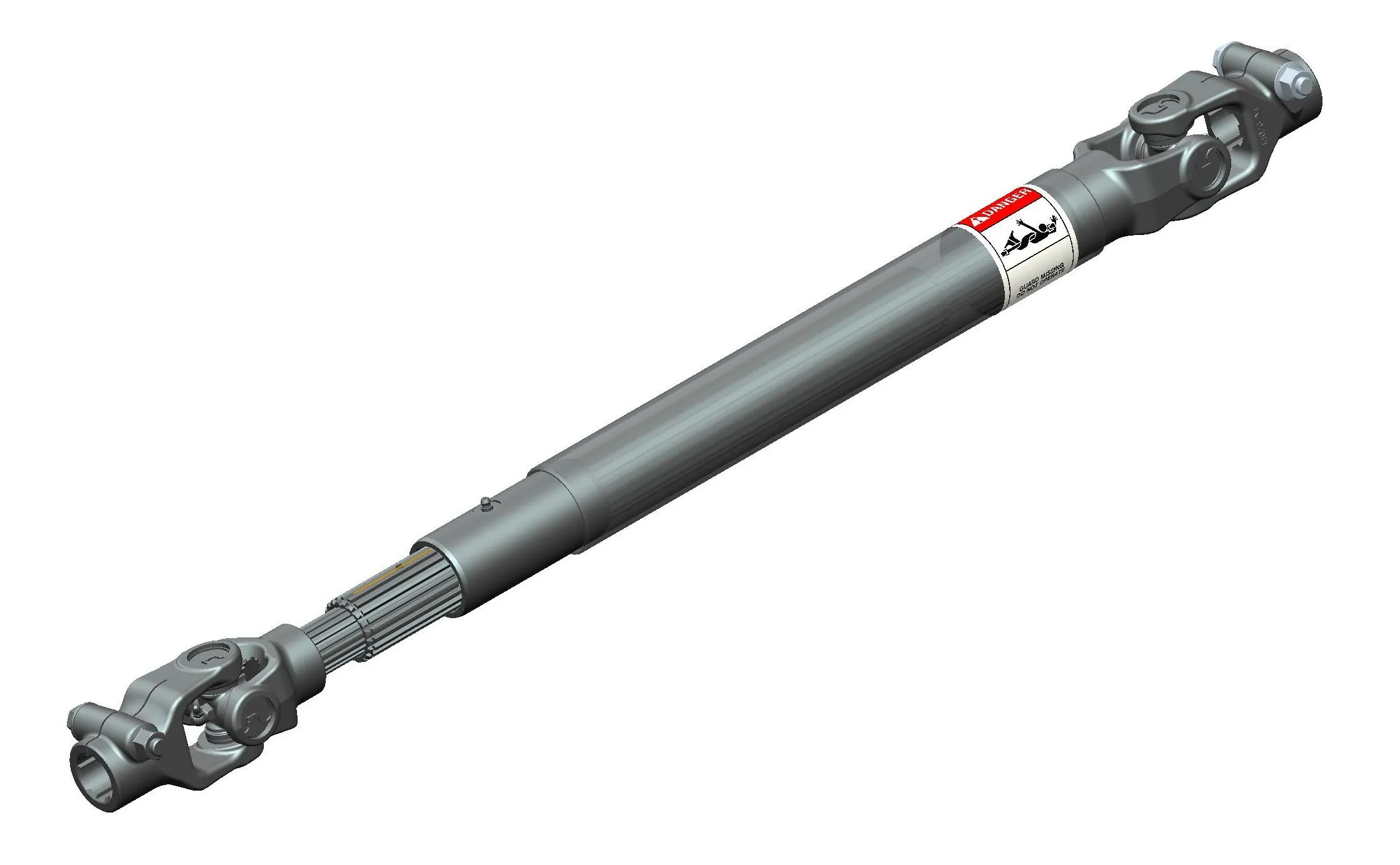
The EVER-POWER Solution: We introduced the Series 6 “Ridge-Master” Driveline. Specifically configured for the bed-forming application, this shaft features Hardened Star Profile Tubing to resist the torsional twist caused by moving heavy soil volumes. We utilize 4-Plate Friction Clutches to protect the gearbox from shock loads when hitting compacted tramlines, and Wide-Angle CV Joints (optional) to allow operators to lift the implement at headlands without stopping the PTO, boosting productivity.
Technical Specifications & Engineering Parameters
Ridge Formers require smooth, vibration-free power to ensure the seedbed surface is perfectly level. The shaft must provide constant velocity even under load.
| Parameter ID | Specification Category | Technical Value / Standard |
|---|---|---|
| 01 | Series Classification | Series 5 (Light Soil) / Series 6 (Heavy Clay) |
| 02 | Nominal Torque (540 RPM) | 690 Nm (S5) / 830 Nm (S6) |
| 03 | Nominal Torque (1000 RPM) | 530 Nm (S5) / 640 Nm (S6) |
| 04 | Max Shock Load Rating | 2,800 Nm (Rotor Stall Torque) |
| 05 | Tractor Interface | 1-3/8″ Z6 (Standard 6-Spline) |
| 06 | Implement Interface | 1-3/8″ Z6, 1-3/4″ Z6, or Friction Clutch Flange |
| 07 | Closed Length (Lz) | 810 mm – 1,010 mm (Standard Linkage) |
| 08 | Tube Profile | Star Profile S4/S5 (6-Point Contact) |
| 09 | Tube Material | ST52 Cold Drawn Precision Steel (Plated) |
| 10 | Cross Kit Dimensions | 30.2mm x 80mm (S5) / 30.2mm x 92mm (S6) |
| 11 | Bearing Type | Sealed High-Speed Needle Roller |
| 12 | Safety Device | Friction Clutch (FV) – 2 or 4 Plate |
| 13 | Alternative Safety | Shear Bolt (SB) – For light sandy soils only |
| 14 | Operating Angle | Max 25° (Continuous) / 80° (Wide Angle CV) |
| 15 | Guard Material | Impact Modified HDPE (Safety Yellow) |
| 16 | Guard Certification | MOM / ISO 5674 Compliant |
| 17 | Lubrificazione | Lithium Complex NLGI 2 (Blue) |
| 18 | Trattamento della superficie | Zinc-Nickel Plating (Tropical Protection) |
| 19 | Telescoping Overlap | Min 400mm (Enhanced stability) |
| 20 | Locking Mechanism | Collar Lock (Ball) |
| 21 | Peso | 20 kg – 38 kg |
| 22 | Applicazione | Bed Former / Ridge Plough / Plastic Mulch Layer |
| 23 | Warranty | 1 Year (Structure & Corrosion) |
| 24 | Origin Compatibility | Massano, Forigo, Kubota, Yanmar, Celli |
The Physics of the Ridge: Soil Dynamics and Torque
Creating a uniform ridge involves pulverizing, lifting, and compressing soil. This three-stage process demands specific characteristics from the PTO shaft.
1. The Compaction Load (Carga de Compressão)
Bed formers use a rear hood or roller to press the fluffy soil into a firm shape.
The Physics: As the machine moves forward, soil builds up inside the hood. The rotor must push this soil mass against the hood pressure. This creates a “constant braking force” on the driveline.
The Stress: Unlike a mower that spins freely, a bed former operates under 80-90% torque load continuously. This generates heat.
The Solution: High-Temp Lubrication & Star Tubing. We use Star Profile tubing because it has a larger surface area for grease distribution than triangular tubes, reducing the friction generated by the continuous axial thrust of the machine working against the soil.
2. The Clutch as a “Quality Control” Device
Uniform bed density is crucial for seed germination.
The Function: UN Friction Clutch does more than just protect the tractor; it helps maintain quality. If the operator drives too fast or the soil is too hard, the clutch slips. This audible warning tells the operator to slow down, ensuring the soil is properly pulverized before being formed.
The Benefit: It prevents the formation of “cloddy” beds that result in poor crop yields. We recommend adjustable friction clutches so farmers can tune the slip point to their specific soil type (clay vs. sand).
3. Turning on the Headland (Manobra de Cabeceira)
Singaporean vegetable plots are often narrow. Efficiency depends on fast turns.
The Problem: Lifting the bed former to turn breaks the alignment of the PTO shaft. If the PTO is left on, standard U-joints will “chatter,” damaging the bearings. If the PTO is turned off, the soil inside the hood settles and hardens, causing a stall upon restart.
The Solution: Wide-Angle CV Joints. By using a CV joint at the tractor end, the operator can keep the rotor spinning while lifting the implement. This clears the soil from the hood and allows for a seamless turn, maintaining the momentum of the operation.

Operational Context: Specialized Singaporean Farming
The equipment is tailored to the specific crops grown in the region.
Scenario A: Leafy Green Production (Chye Sim/Xiao Bai Cai)
Context: Creating 1.2m wide raised beds in Lim Chu Kang. The soil must be fine and the top perfectly flat.
Machine: 1.5m Rotary Bed Former.
Challenge: Precision. Any vibration in the PTO shaft transfers to the rotor, causing ridges or waves on the bed surface.
Requirement: Precision Balanced Shaft. Our shafts are dynamically balanced to G6.3 standards. This eliminates vibration, ensuring the rotor spins perfectly true for a laser-flat seedbed finish.
Scenario B: Root Vegetable Farming (Tapioca/Sweet Potato)
Context: Creating high, deep ridges to allow tuber expansion. Soil is often heavier clay.
Machine: 2-Row Ridge Plough (Rotary).
Challenge: Shock Loads. The deep-working tines hit the hardpan layer.
Requirement: Series 6 Robustness. We use Series 6 cross kits (30.2mm caps) which provide a larger load-bearing area than standard Series 4/5 shafts, ensuring longevity when working deep in heavy clay.
Scenario C: Plastic Mulch Layer Combination
Context: Forming the bed and laying plastic mulch in one pass.
Machine: Bed Former with Mulch Layer attachment.
Challenge: Smoothness. Jerky power delivery tears the plastic film.
Requirement: Low-Friction Telescoping. The shaft must telescope smoothly as the tractor moves. Our Zinc-Nickel plated tubes with special low-friction grease ensure silky smooth length adjustment, preventing the “jerking” that ruins the mulching process.

Interchangeability & OEM Systems Integration
We support the diverse machinery used in Singapore’s high-tech farms.
Fitment Guide:
EVER-POWER shafts are engineered replacements for:
- Massano™ / Forigo™ (Italian): The gold standard for bed formers. We supply the specific 1-3/8″ Z6 friction clutch yokes that match their input gearboxes.
- Kubota™ (M Series): The primary tractor platform. Our shafts fit the tractor PTO output perfectly.
- Yanmar™ (Compact): Shafts scaled for smaller 30-50HP tractors used in greenhouse operations.
- Local Fabrication: We provide flange adapters for locally customized ridge formers.
*Disclaimer: OEM names are for reference only. EVER-POWER is an independent manufacturer.
Compliance with Singapore Standards (MOM / WSH)
Workplace Safety and Health (WSH) is strictly enforced.
The “Zero-Contact” Standard
A spinning PTO shaft is a lethal hazard.
EVER-POWER Ridge Shafts utilize:
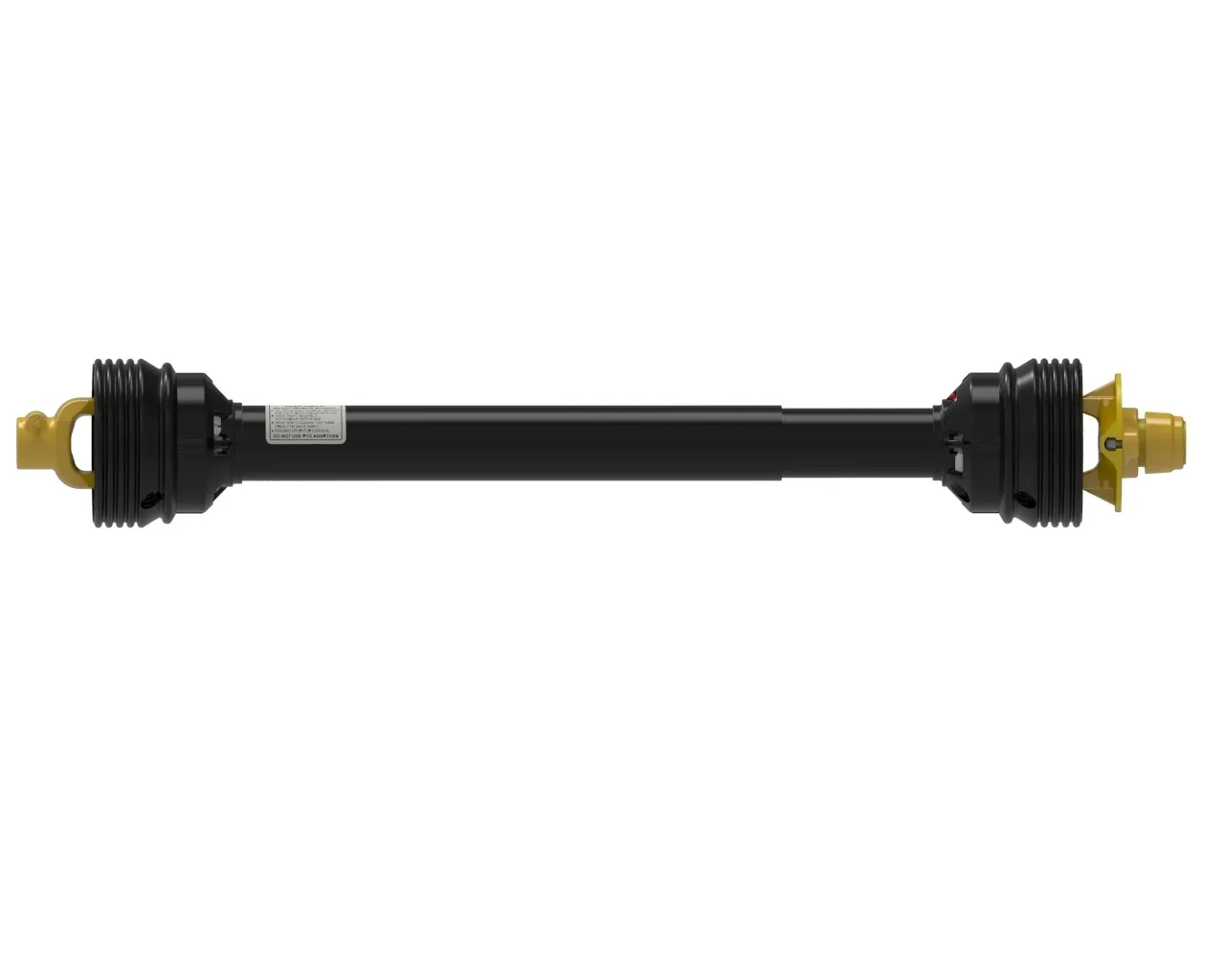
- Full Enclosure Guarding: The yellow plastic tubes cover the entire steel shaft length.
- “Dead-Man” Bearings: The guard rides on low-friction bearings. It does not rotate with the shaft. If a worker touches it, it stays stationary.
- Restraint Chains: We provide robust chains to anchor the guard. These must be connected to prevent the guard from spinning.
- Integrated Cones: Extended cones cover the universal joints completely, leaving no exposed metal.
Material Science: Tropical Resilience
Singapore’s environment is harsh on steel.
Zinc-Nickel Plating: High humidity causes “flash rust” on standard steel. We plate our tubes with Zinc-Nickel, which provides 5x the protection of standard painting. This ensures the shaft telescopes freely even after the rainy season.
High-Grade Alloy Yokes: We use forged steel yokes, not cast iron. Bed forming involves shock loads. Forged steel has ductility, allowing it to absorb impact without cracking.
Case Study: The Leafy Green Farm in Murai
Client Profile: A high-intensity farm in Murai Agrotechnology Park producing 30 tons of vegetables per year.
The Problem: They were using a 1.5m bed former. The original PTO shaft (triangular tube) was twisting after 3 months of use due to the heavy clay soil. The twisted tubes would seize, and when the operator lifted the implement, the axial force shattered the tractor’s PTO bearing housing.
The EVER-POWER Solution: We upgraded them to a Series 6 “Ridge-Master” Shaft with Star Profile Tubing.
The Result: The Star Profile provided the torsional rigidity needed to handle the clay load without deformation. The shaft continued to telescope smoothly even under load. Since the upgrade, the farm has run for 18 months with zero driveline failures, saving thousands in tractor repairs and lost production time.
Maintenance: Keeping the Ridges Straight
Preventative maintenance is key.
- Daily Greasing: Grease the U-joints every 8 hours. Fresh grease pushes out contaminants.
- Tube Cleaning: Separate the shaft weekly. Wipe off old grease and grit from the tubes and apply fresh grease. This is critical for preventing axial thrust damage.
- Clutch Setting: Before each planting season, check the friction clutch. Loosen the springs to ensure the plates are not stuck (rusted together), then re-tighten to the manufacturer’s spec.
Frequently Asked Questions (FAQ)
How do I adjust the friction clutch for my soil?
Why does the safety guard spin?
Can I use a shear bolt instead of a clutch?
Agri-Market Trends: Automated Bed Forming
Singapore is moving towards autonomous tractors for bed forming. These robots require highly reliable, low-maintenance components. EVER-POWER is developing “Lubricated-for-Life” Shafts with advanced sealing technologies to support the unmanned future of Singapore’s agritech sector.
 IT
IT  EN
EN  ES
ES  RU
RU  FR
FR  DE
DE  PT
PT  JA
JA  AR
AR  ZH
ZH