
Mining Machinery Transmission Parts
Mining Machinery Transmission Parts

In the demanding world of mining operations, reliable transmission parts are essential for efficiency, safety, and productivity. Mining machinery transmission parts, including conveyors and mining chains, play a pivotal role in material handling, transportation, and extraction processes. Drawing from over 20 years of industry expertise, these components are designed to withstand harsh underground and surface environments, ensuring minimal downtime and optimal performance.
Whether you’re searching for belt conveyors for mining or heavy-duty mining chains, this page provides detailed insights, technical specifications, and selection charts to help you choose the right parts. Our content is based on verified product catalogs, emphasizing durability, customization, and compliance with international standards like ISO.
Conveyor System Types

TD75 Universal Belt Conveyor
· Drive Drum
TD75 Belt Conveyor Drive Pulley for Mining Machinery
· Bend Pulley
TD75 Belt Conveyor Bend Pulley for Mining Machinery
· Idler
TD75 Belt Conveyor Trough Idler and Impact Idler for Mining Machinery
TD75 Belt Conveyor Parallel Idler for Mining Machinery
TD75 Belt Conveyor Tape Self-Aligning Idler for Mining Machinery
TD75 Belt Conveyor Parallel Self-Aligning Idler for Mining Machinery
· Roller
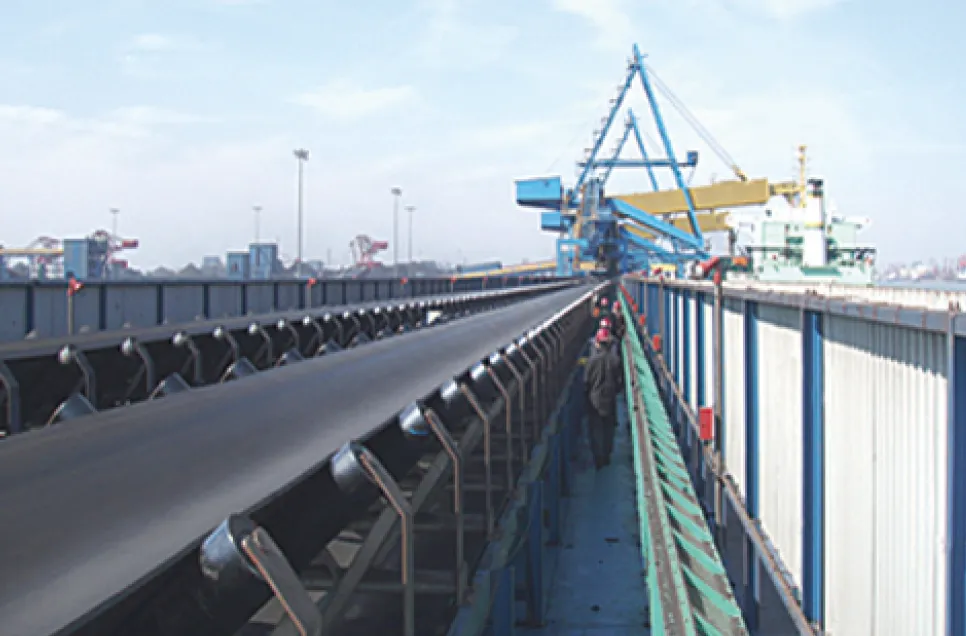
DTII, DTII(A) Fixed Belt Conveyor
· Drive Drum
DTII Belt Conveyor Drive Pulley for Mining Machinery
· Bend Pulley
DTII Bend Conveyor Drive Pulley for Mining Machinery
· Idler
DTII Belt Conveyor Trough Idler for Mining Machinery
DTII Belt Conveyor Transit Idler for Mining Machinery
DTII Belt Conveyor Impact Self-aligning Idler for Mining Machinery
DTII Belt Conveyor Taper Self-aligning Idler for Mining Machinery
DTII Belt Conveyor Impact Parallel Idler for Mining Machinery
DTII Belt Conveyor Upper Parallel Idler for Mining Machinery
DTII Belt Conveyor Lower Parallel Idler for Mining Machinery
DTII Belt Conveyor V Type Idler for Mining Machinery
DTII Belt Conveyor V Type Upper Idler for Mining Machinery
DTII Belt Conveyor Parallel Comb Idler for Mining Machinery
DTII Belt Conveyor V Type Comb Idler for Mining Machinery
DTII Belt Conveyor Lower Impact Idler for Mining Machinery
DTII Belt Conveyor Lower Taper Self-aligning for Mining Machinery
DTII Belt Conveyor Screw Idler for Mining Machinery
DTII Belt Conveyor Inversed V Type Idler for Mining Machinery
· Roller
DTII Belt Conveyor Roller for Mining Machinery
DTII Belt Conveyor Impact Roller for Mining Machinery
DTII Belt Conveyor Comb Roller for Mining Machinery
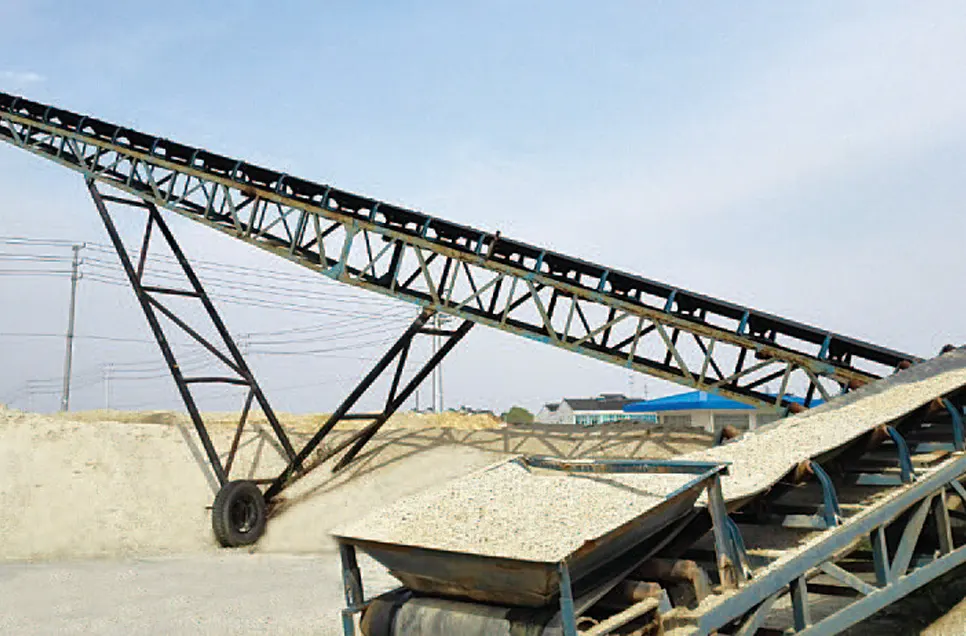
Mobile belt conveyor
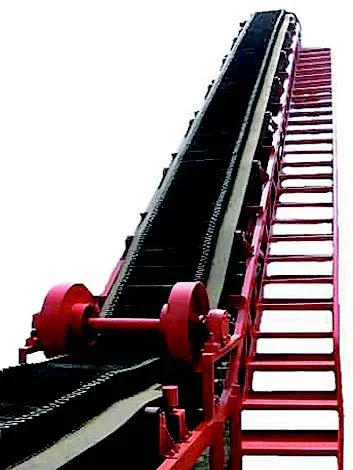
DJ, DJII High Angle Edge Conveyor
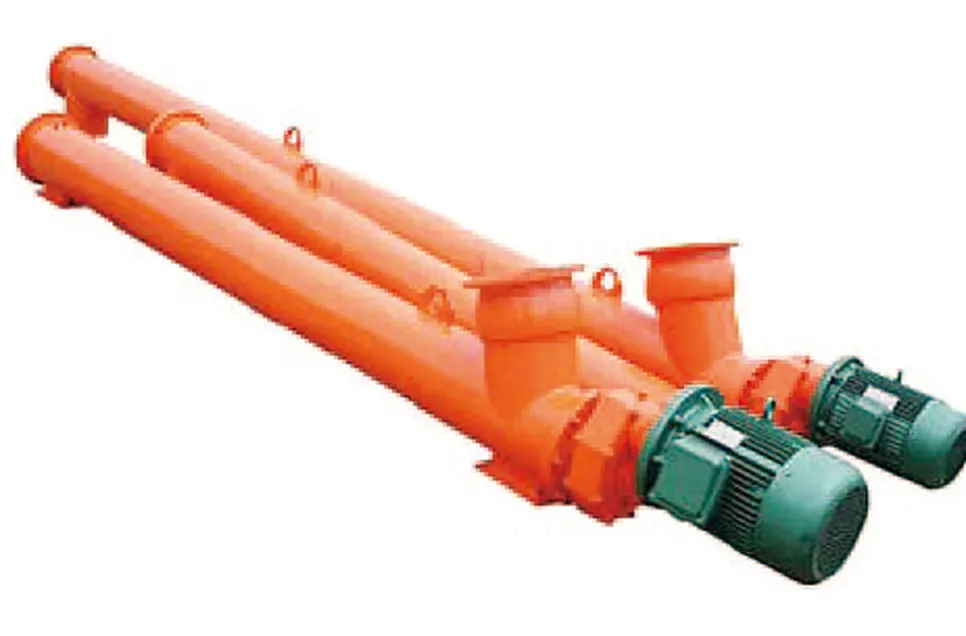
Screw Conveyor
| Conveyor Type | Purpose and Scope | Ambient Temperature Range | Material Density/Capacity | Belt Width/Diameter Options | Speed (m/s) | Max Conveying Capacity | Tilt Angle | Conveying Length | Key Features |
|---|---|---|---|---|---|---|---|---|---|
| TD75 Universal Belt Conveyor | Suitable for general-purpose conveying in temperatures from -15°C to 40°C; can handle explosion-proof or waterproof requirements with protective measures. | -15°C to 40°C | Bulk density below 2.5 t/m³; conveying capacity calculated at 1.0 t/m³, 0°-7° inclination, 30° stacking angle. | 500, 650, 800, 1000, 1200, 1400 mm | 0.8, 1.0, 1.25, 1.6, 2.0, 2.5, 3.15, 4.0 | Up to 2996 t/h (at 1400 mm width, 4.0 m/s) | 0°-7° (standard calculation) | Not specified (fixed installation implied) | Simple structure, large capacity, convenient maintenance, low cost, strong universality. |
| DTⅡ, DTⅡ(A) Fixed Belt Conveyor | Fixed installation for various industries; single or multi-unit systems; adopts ISO standards for parameters, power, and tension. | -25°C to 40°C | Bulk density below 2.5 t/m³; conveying capacity calculated horizontally at 20° stacking angle, 35° roller groove. | 500, 650, 800, 1000, 1200, 1400, 1600, 1800, 2000, 2200, 2400 mm | 0.8, 1.0, 1.25, 1.6, 2.0, 2.5, 3.15, 4.0, (4.5), 5.0, (5.6), 6.5 | Up to 17104 t/h (at 2400 mm width, 6.5 m/s) | Horizontal (standard); can handle inclinations with adjustments. | Not specified (fixed installation implied) | Widely used; higher widths and speeds available; non-standard speeds (4.5, 5.6 m/s) not recommended. |
| DJ, DJⅡ High Angle Edge Conveyor | Transports bulk materials at large angles; suitable for densities 500-2500 kg/m³; protective measures for special environments. | -25°C to 40°C | Loose density 500-2500 kg/m³; max capacity calculated at 30° tilt, minimum partition spacing. | 400, 500, 650, 800, 1000, 1200, 1400, 1600 mm (edge heights: 60-400 mm) | 0.8-3.15 | Up to 2961 m³/h (at 1600 mm width, 400 mm edge) | 30°-90° | Not specified (fixed installation implied) | Large capacity, low energy consumption, simple structure, convenient maintenance, long belt life. |
| Mobile Belt Conveyor | Suitable for short-distance transportation. | Not specified | Not specified (bulk materials implied). | 500, 650, 800, 1000, 1200, 1400 mm | 0.8-5.0 | Up to 3800 m³/h (at 1400 mm width) | 9°-22° | 5-30 m | Mobile design for flexibility in short-distance applications. |
| Screw Conveyor | Continuous pushing of materials via rotating spiral blades in a closed circular shell. | Not specified | Not specified (bulk materials implied); capacities per model. | Spiral diameters: 140, 190, 240, 290 mm (shell diameters: 168-325 mm) | Not applicable (rotation speed: 155-300 r/min) | Up to 110 t/h (model LSY300) | ≤45° | 4.5, 6, 9, 12 m (model-dependent) | Closed shell design; motor powers 4.0-22 kW; suitable for enclosed, continuous material pushing. |
Mining Chain Types
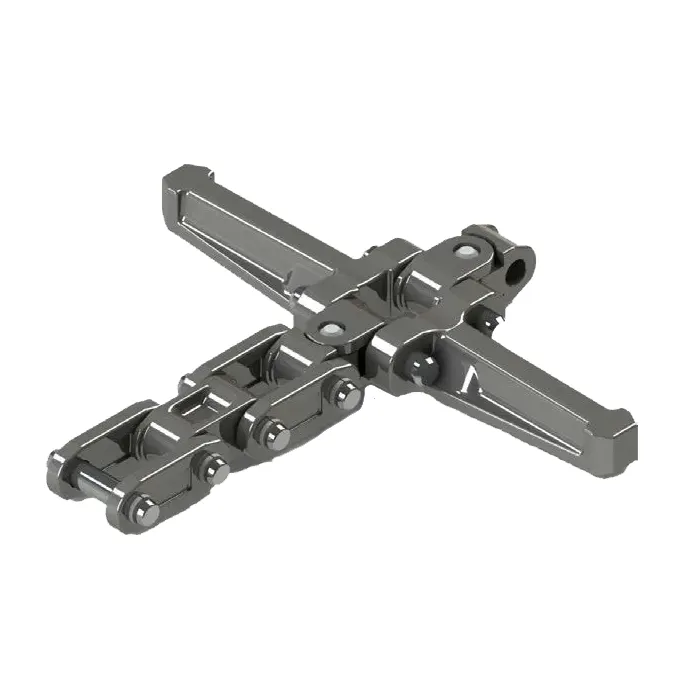
Single Strand Conveyor Chain
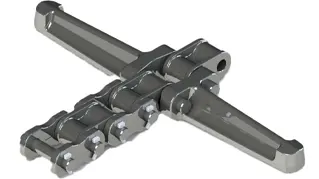
- Purpose and Scope: For continuous miners, borer miners, and road headers in underground mining. Pitch range: 2 5/8 to 3 1/4 inches.
- Key Features: Consistent lifespan, low noise, easy installation, special heat-treated pins.
- Selection Charts:
- DA622: Unit length 12-18 inches, scraper width 29 inches, for excavator-anchor machines.
- DA644: Unit length 13 inches, width 28 inches.
- DA646: Unit length 11.97-17.95 inches, width 29.13 inches.
- DA642: Unit length 11 inches, width 27.5 inches.
- DA711/DA719: Unit length 13 inches, widths 28-36.28 inches.
- DA737: Unit length 13-19.6 inches, width 28 inches.
- Applications: Transport chains in integrated mining machines, reducing downtime.
Ladder Conveyor Chain
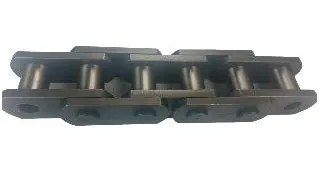
- Purpose and Scope: For shuttle cars and underground feeder breakers, including coal washing. Pitch range: 3 1/4 to 4.5 inches.
- Key Features: Maximum productivity, adjustable scraper spacing, anti-twisting bushings, optional forged heads.
- Selection Charts:
- K301B: Pitch 4.1 inches, unit length 24.6 inches, width 42 inches.
- K205B: Pitch 4.1 inches, width 35.5 inches.
- K206B: Pitch 3 inches, width 42 inches.
- K201B: Pitch 3.5 inches, unit length 21 inches, width 44.4 inches.
- K207B: Pitch 3.5 inches, unit length 21 inches, width 46 inches.
- Standard Series (S60 to S127): UTS from 200-1200 kN.
- Applications: Scraper chains in shuttle cars and breakers for efficient material extraction.
Single Strand Conveyor Chain


Apron Feeder Chain
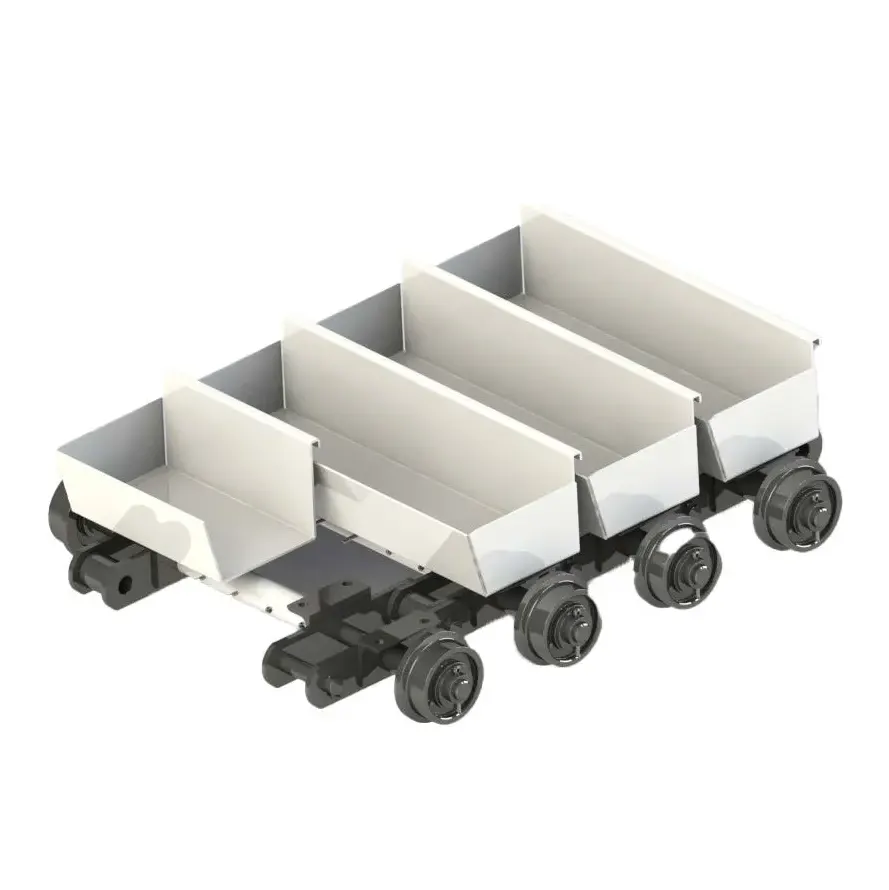
Deep Pan Conveyor Chain

Round Link Chain for Underground Mining
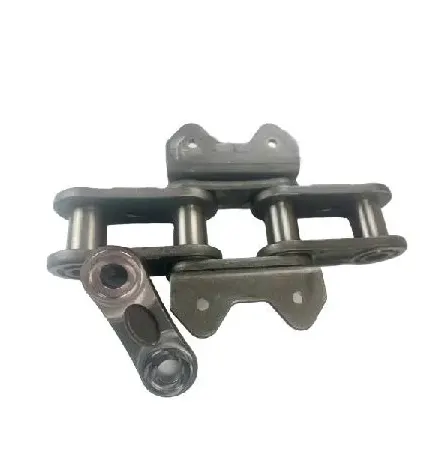
Bucket Elevator Chain for Mining

Drop Forged Chain for Mining
Bucket Elevator Chain for Mining
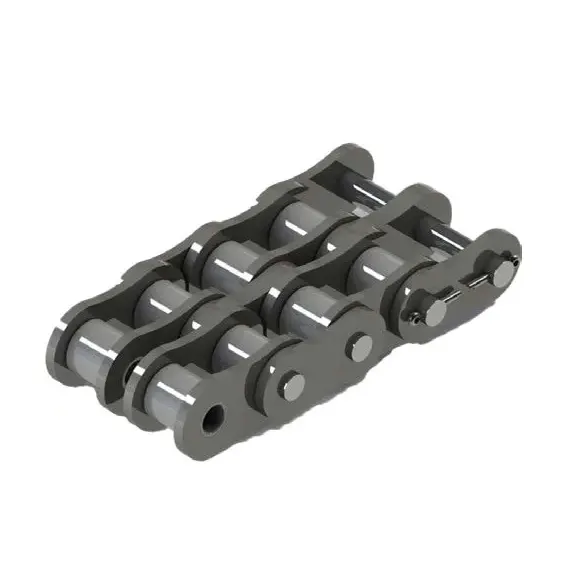
Transmission Chian
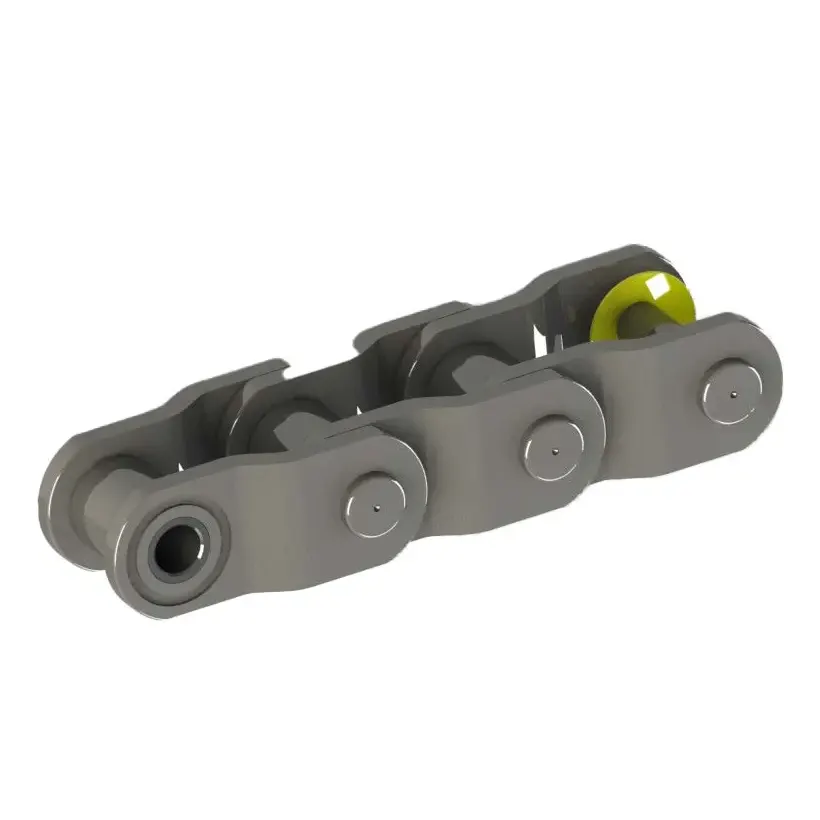
Heavy Duty Drive Chain for Mining

Motor Grader Chain

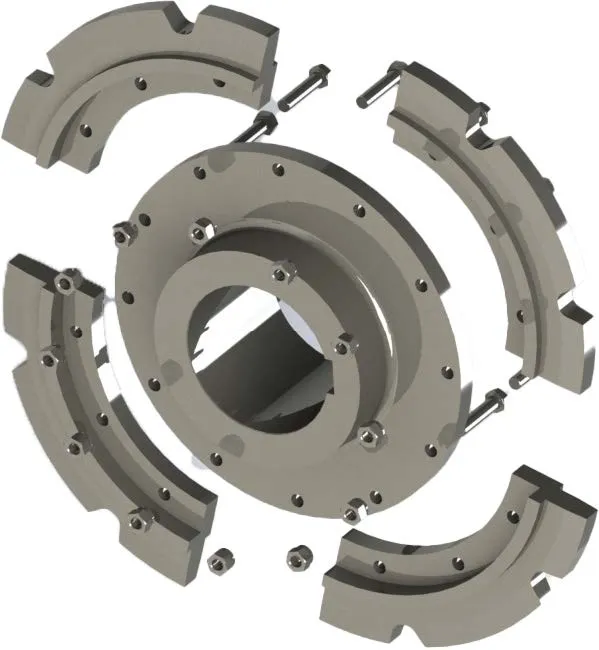
Mining Machinery Transmission Parts Application
The transmission parts detailed herein find extensive application across diverse mining sectors, enhancing operational efficiency and safety. Below is a structured overview of key applications, grounded in manufacturer specifications and industry practices.
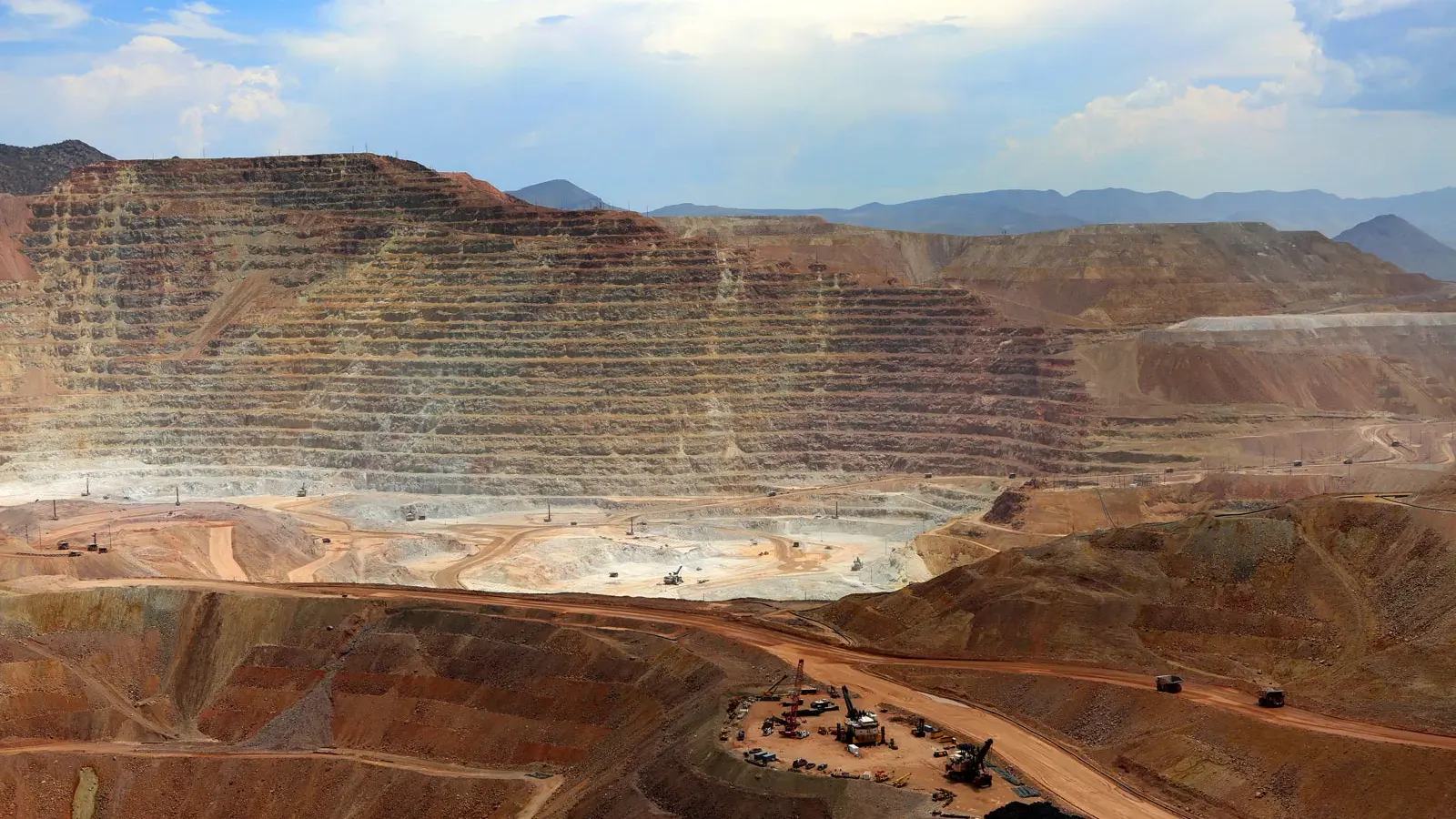
Surface Mining Applications
- Open-Pit Coal and Ore Extraction: DTII fixed belt conveyors are deployed for horizontal or low-inclination transport of large volumes of coal or iron ore. With capacities exceeding 17,000 t/h, these systems facilitate continuous material flow from excavation sites to processing plants. Paired with K series ladder chains in feeder breakers, they handle abrasive materials, reducing equipment wear by up to 25% through anti-twisting bushings and heat-treated pins.
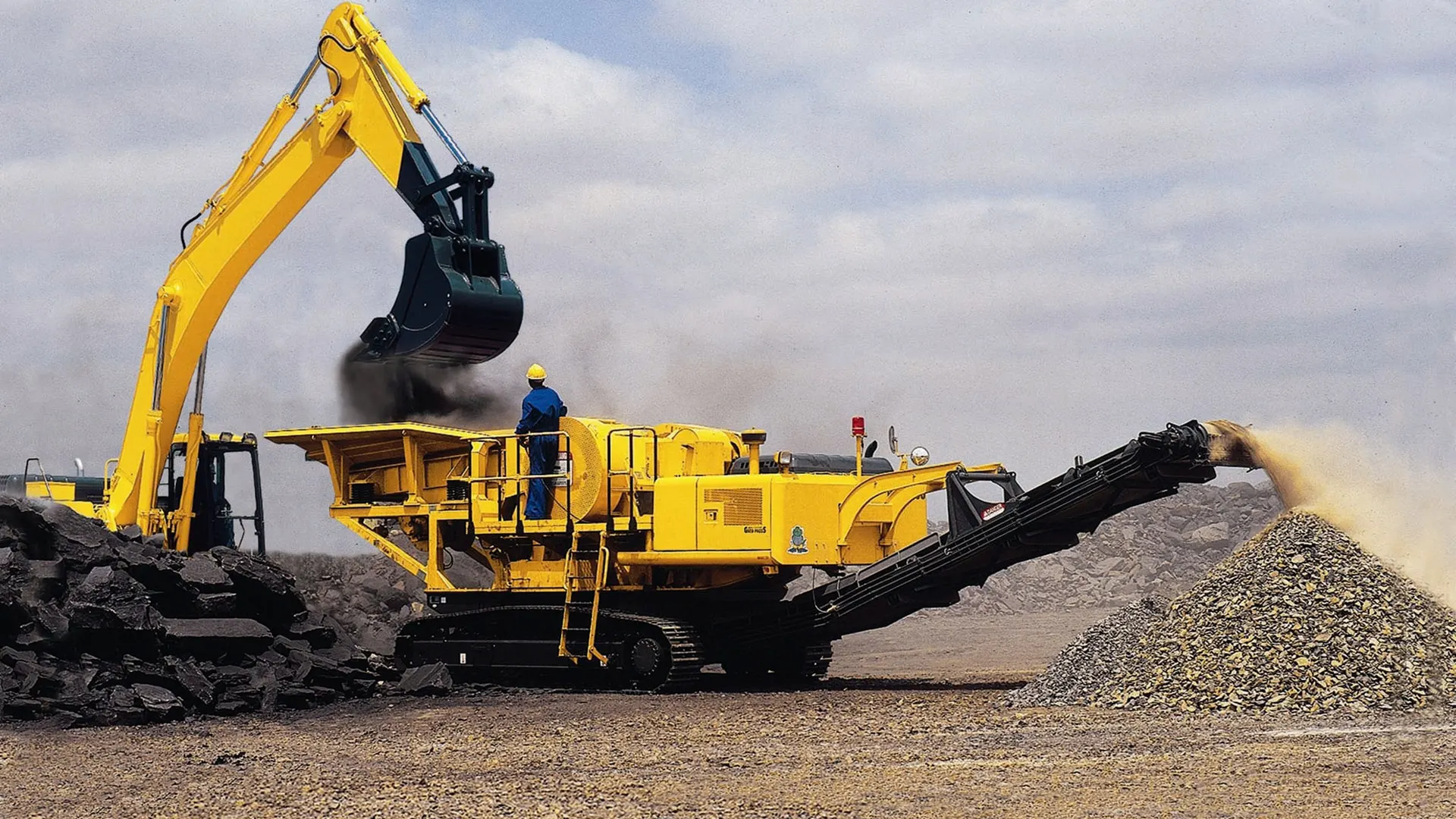
- Quarrying and Aggregate Handling: Mobile belt conveyors excel in short-distance, flexible setups for transporting gravel or limestone. Their 9°-22° tilt capability allows adaptation to uneven terrain, while DA series chains in road headers ensure precise tunneling and material discharge.
- Stockpiling and Reclaiming: DJ high-angle edge conveyors enable steep-angle stacking (up to 90°) of bulk materials like phosphate or bauxite, optimizing space in surface stockpiles. Integration with G series bucket elevator chains supports vertical lifting, minimizing energy consumption in reclaim operations.
Underground Mining Applications
- Coal Longwall and Room-and-Pillar Mining: DA series single strand chains are integral to continuous miners and shuttle cars, transporting coal at speeds up to 3.15 m/s with scraper widths of 28-36 inches. Their low-noise design improves worker safety in confined spaces, while TD75 universal belt conveyors extend the transport chain to surface levels.
- Hard Rock Tunneling and Development: In gold or copper mines, TC series crawler chains power tracked equipment for stable movement over rough floors. Combined with screw conveyors for fine particle removal, these systems maintain airflow and reduce dust hazards.
- Potash and Salt Mining: AF series apron feeder chains feed crushers with heavy loads, withstand corrosive environments through premium steel construction. DTII(A) conveyors, with ISO-compliant tensioning, ensure reliable evacuation of mined salts at depths exceeding 1,000 meters.
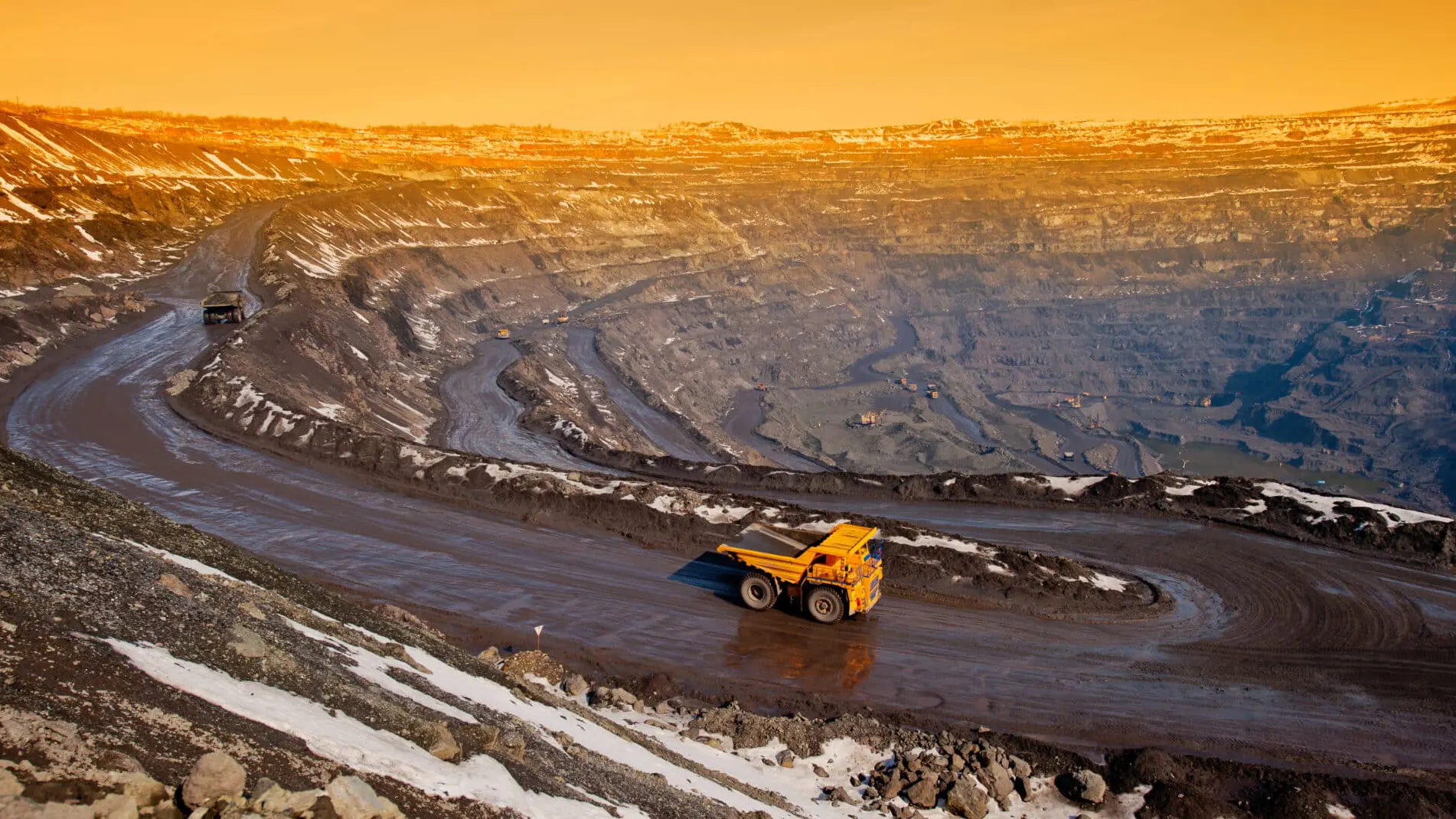
Specialized Mining Applications
- Deep-Sea or Arctic Mining: High-angle conveyors with protective measures (e.g., waterproofing) handle extreme conditions, transporting seabed minerals or permafrost-extracted resources. Customized DF drop forged chains provide the necessary strength for sub-zero operations.
- Sustainable Mining Practices: O series round link chains support eco-friendly conveyor systems in lithium or rare earth extraction, where low energy consumption and minimal maintenance align with ESG standards.
- Integration with Automation: HD series heavy-duty drive chains enable robotic mining vehicles, synchronizing with conveyor systems for autonomous material handling, as seen in modern Australian iron ore mines.
Mining Machinery Transmission Parts Advantages
Selecting high-quality transmission parts for mining machinery, such as conveyors and chains, is essential for operational reliability, safety, and efficiency.
Drawing from the expertise of manufacturers with over four decades of specialized experience, these components adhere to ISO standards and demonstrate proven performance in demanding mining applications. The following points highlight the key benefits, supported by authoritative industry data.
Enhanced Durability
Cost-Effectiveness
Customization Options
Improved Safety
Environmental Sustainability
How to Choose the Right Lawn Mower Gearbox
Installation of Mining Equipment
Proper installation is crucial for optimal performance and safety in mining operations. Follow these guidelines for conveyors and chains.
Installation of Mining Conveyors
1. Site Preparation and Layout
Assess the terrain, material type (e.g., abrasive ore), and system layout. Ensure the foundation is level and stable. For underground installations, verify adequate space and ventilation to minimize dust. Minimize transfer points to reduce wear.
2. Install the Frame and Supports
Secure the rack or frame to the foundation using bolts. Align horizontally and vertically with levels and plumb lines. Install support legs and intermediate frames, ensuring stability for loads up to 2.5 t/m³.
3. Mount Drive and Tension Devices
Install the drive drum, motor, and gearbox. Attach the tensioning device at the tail end. Ensure proper alignment to prevent belt slippage.
4. Install Rollers and Idlers
Position carrying rollers, return rollers, and idlers along the frame. Use trough idlers for bulk materials and impact idlers at loading points to absorb shocks.
5. Thread and Splice the Belt
Mount the belt roll on a shaft and unroll it onto the conveyor. Clamp and cut the old belt if replacing, then splice the new belt using vulcanization or mechanical fasteners. Apply tension gradually.
6. Final Alignment and Testing
Align the belt to run centered. Install guards, emergency stops, and audible warnings. Test under no-load conditions, then gradually add material. Monitor for deviations and adjust as needed.
7. Safety and Maintenance Setup
Install fire-resistant belts for underground use and dust suppression systems. Establish a maintenance schedule for inspections and lubrication.
For high-angle conveyors like DJ series, additional steps include installing edge guards and anti-deviation devices.
Installation of Mining Chains
1. Preparation and Inspection
Isolate power and lock out/tag out the equipment. Inspect chains for damage or wear; match pairs by length to avoid uneven loading (differences should be <5mm over 25m).
2. Remove Old Chain (if Applicable)
Clamp and disconnect the old chain. Clean sprockets and guides of debris.
3. Install New Chain
Lay out the chain in straight sections. Connect links using pins or mechanical connectors, ensuring proper orientation (e.g., scraper bars aligned). For dual-strand setups like K series, install both sides simultaneously.
4. Thread onto Sprockets
Feed the chain over drive and idler sprockets. Attach scraper bars or flights at specified intervals.
5. Apply Pre-Tension
Tension the chain to manufacturer specs (e.g., 0.5-1% elongation) to prevent slack and abrasion. Use hydraulic tools for accuracy.
6. Alignment and Testing
Align the chain to run straight without twisting. Lubricate joints and test at low speed. Monitor for noise or vibration; adjust as needed.
7. Safety Checks
Install guards around moving parts. Verify emergency stops and ensure compliance with fire-resistant standards for underground use.
For specialized chains like crawler or apron feeder types, consult sprocket compatibility and perform load tests post-installation.
Proper installation reduces downtime by up to 20% and extends component life. Always train personnel and follow OEM manuals for best results.
Mining Machinery Transmission Parts For Sale
-
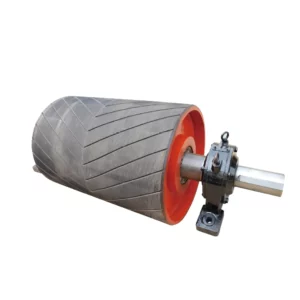
TD75 Belt Conveyor Drive Pulley for Mining Machinery
-
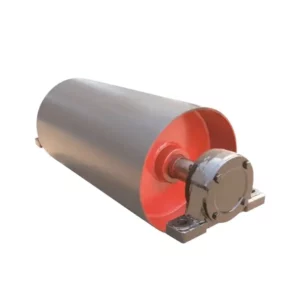
TD75 Belt Conveyor Bend Pulley for Mining Machinery
-
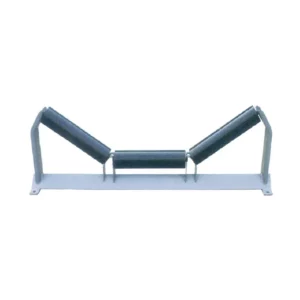
TD75 Belt Conveyor Trough Idler and Impact Idler for Mining Machinery
-

TD75 Belt Conveyor Parallel Idler for Mining Machinery
-
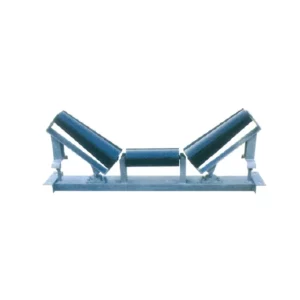
TD75 Belt Conveyor Tape Self-Aligning Idler for Mining Machinery
-
TD75 Belt Conveyor Parallel Self-Aligning Idler for Mining Machinery
-
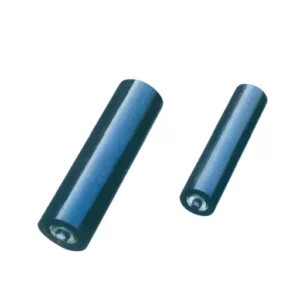
TD75 Belt Conveyor Roller for Mining Machinery
-
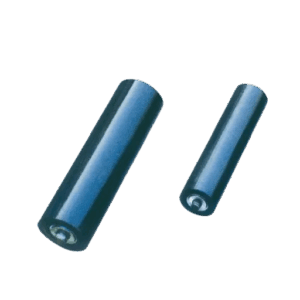
TD75 Belt Conveyor Impact Roller for Mining Machinery
-
DTII Belt Conveyor Drive Pulley for Mining Machinery
-
DTII Bend Conveyor Drive Pulley for Mining Machinery
-
DTII Belt Conveyor Trough Idler for Mining Machinery
-
DTII Belt Conveyor Transit Idler for Mining Machinery
Mining Machinery Transmission Parts FAQ
This module addresses frequently asked questions regarding mining machinery transmission parts, based on common industry inquiries and product catalog insights. It aims to provide concise, informative responses to assist professionals in decision-making.
1. What are the key differences between TD75 and DTII conveyors?
The TD75 universal belt conveyor is suited for versatile, cost-effective applications with belt widths up to 1400 mm and capacities to 2996 t/h, ideal for general mining. In contrast, DTII and DTII(A) fixed belt conveyors offer wider belts (up to 2400 mm) and higher speeds (up to 6.5 m/s), achieving capacities of 17,104 t/h, making them preferable for high-volume, fixed installations in large-scale mining operations.
2. How do DA and K series chains compare in underground mining?
DA series single strand chains are optimized for continuous miners and road headers, with pitches of 2 5/8 to 3 1/4 inches and features like low noise for confined spaces. K series ladder chains, with pitches of 3 1/4 to 4.5 inches, excel in shuttle cars and feeder breakers, offering adjustable scraper spacing and higher productivity for bulk handling in coal washing or extraction.
3. What maintenance is required for mining conveyors and chains?
Regular inspections for wear on rollers, pulleys, and idlers are essential for conveyors, with lubrication every 500-1000 hours. For chains, check for elongation or pin wear quarterly, applying heat-treated replacements as needed. Both benefit from cleaning to prevent abrasion, potentially extending service life by 30-50% in harsh environments.
4. Can these parts be customized for specific mining conditions?
Yes, Wuyun offers custom belt widths, edge heights, and protective coatings for conveyors. Anchi provides tailored chain pitches, attachments, and materials like forged scraper heads. Consult manufacturers for site assessments to ensure compatibility with factors like temperature extremes or material densities.
5. What are the environmental considerations for these transmission parts?
Designed with low energy consumption (e.g., DJ conveyors) and durable steels to minimize waste, these parts support sustainable mining. Features like enclosed screw conveyors reduce dust emissions, aligning with regulations such as EPA standards.
6. How do I select the right capacity for a conveyor in my mine?
Calculate based on material density, inclination, and speed using provided tables. For example, at 1.0 t/m³ density and horizontal transport, a 1200 mm DTII conveyor at 2.0 m/s handles 1486 t/h. Factor in safety margins of 10-20% for peak loads.
 EN
EN  ES
ES  RU
RU  FR
FR  DE
DE  PT
PT  JA
JA  AR
AR  IT
IT  ZH
ZH