

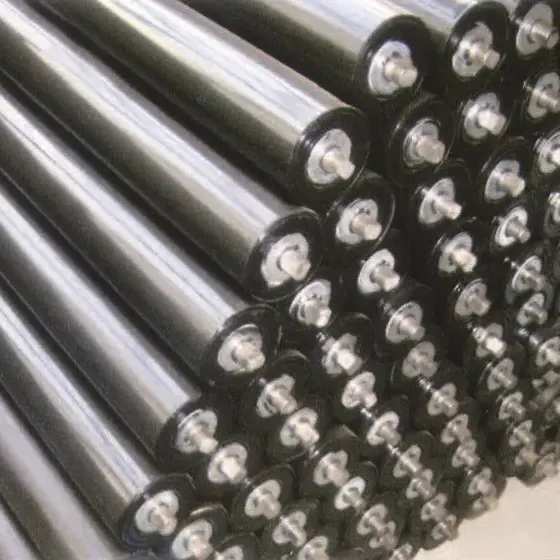
DTII Belt Conveyor Roller for Mining Machinery
DTII Belt Conveyor Roller for Mining Machinery

The DTII Belt Conveyor Roller is a fundamental component designed to support and guide the conveyor belt in mining conveyor systems, ensuring smooth and efficient material transport. Standardized under the DTII and DTII(A) conveyor systems, which represent advanced Chinese standards for high-efficiency continuous transportation equipment, this roller is engineered to enhance belt stability, reduce wear, and operate reliably in demanding industrial environments. Widely used in industries such as mining, coal, cement, ports, metallurgy, and power plants, the DTII conveyor roller is a versatile solution for optimizing conveyor performance on both the carrying and return sides of the belt.
Manufactured in compliance with ISO 9001 quality management systems and Chinese DTII(A) standards, the DTII conveyor roller guarantees consistent performance and durability. Its robust construction and high-quality components make it ideal for handling bulk materials like coal, ore, cement, and aggregates. By minimizing belt wear and maintenance costs, this roller ensures seamless operation, enhances system efficiency, and reduces operational downtime.
DTII Belt Conveyor Roller for Mining Machinery Dimensions:

Unit: mm
| D | d | Bearing model | L | b | h | f | Weight of rotating parts (kg) | Drawing No |
| 89 | 20 | 4G204 | 200 | 14 | 6 | 14 | 2.08 | DTⅡGP1101 |
| 250 | 2.15 | DTⅡGP1102 | ||||||
| 315 | 2.58 | DTⅡGP1103 | ||||||
| 465 | 3.87 | DTⅡGP1105 | ||||||
| 600 | 4.78 | DTⅡGP1107 | ||||||
| 750 | 5.79 | DTⅡGP1109 | ||||||
| 950 | 7.15 | DTⅡGP1111 | ||||||
| 25 | 4G205 | 18 | 8 | 17 | 7.23 | DTⅡGP1211 | ||
| 108 | 20 | 4G204 | 315 | 14 | 6 | 14 | 3.46 | DTⅡGP2103 |
| 465 | 4.7 | DTⅡGP2105 | ||||||
| 950 | 8.71 | DTⅡGP2111 | ||||||
| 25 | 4G205 | 315 | 18 | 8 | 17 | 3.53 | DTⅡGP2203 | |
| 380 | 4.07 | DTⅡGP2204 | ||||||
| 465 | 4.77 | DTⅡGP2205 | ||||||
| 600 | 5.89 | DTⅡGP2207 | ||||||
| 700 | 6.72 | DTⅡGP2208 | ||||||
| 950 | 8.74 | DTⅡGP2211 | ||||||
| 1150 | 8.4 | DTⅡGP2212 | ||||||
| 1400 | 10.03 | DTⅡGP2213 | ||||||
| 4G305 | 380 | 4.19 | DTⅡGP2304 | |||||
| 465 | 4.89 | DTⅡGP2305 | ||||||
| 530 | 5.43 | DTⅡGP2306 | ||||||
| 600 | 6.01 | DTⅡGP2307 | ||||||
| 700 | 6.84 | DTⅡGP2308 | ||||||
| 800 | 7.67 | DTⅡGP2310 | ||||||
| 950 | 8.91 | DTⅡGP2311 | ||||||
| 1150 | 10.56 | DTⅡGP2312 | ||||||
| 1400 | 12.76 | DTⅡGP2313 | ||||||
| 1600 | 14.42 | DTⅡGP2314 | ||||||
| 30 | 4G306 | 465 | 22 | 5.35 | DTⅡGP2405 | |||
| 530 | 5.89 | DTⅡGP2406 | ||||||
| 800 | 8.12 | DTⅡGP2410 | ||||||
| 1400 | 13.08 | DTⅡGP2413 | ||||||
| 1600 | 14.73 | DTⅡGP2414 |
| D | d | Bearing model | L | b | h | f | Weight of rotating parts (kg) | Drawing No |
| 133 | 25 | 4G205 | 380 | 18 | 8 | 17 | 6.04 | DTⅡGP3204 |
| 465 | 7.12 | DTⅡGP3205 | ||||||
| 600 | 8.84 | DTⅡGP3207 | ||||||
| 700 | 10.11 | DTⅡGP3208 | ||||||
| 1150 | 15.80 | DTⅡGP3212 | ||||||
| 1400 | 18.98 | DTⅡGP3213 | ||||||
| 4G305 | 380 | 6.3 | DTⅡGP3304 | |||||
| 465 | 7.38 | DTⅡGP3305 | ||||||
| 530 | 8.21 | DTⅡGP3306 | ||||||
| 600 | 9.1 | DTⅡGP3307 | ||||||
| 700 | 10.37 | DTⅡGP3308 | ||||||
| 800 | 11.64 | DTⅡGP3310 | ||||||
| 1150 | 16.09 | DTⅡGP3312 | ||||||
| 1400 | 19.28 | DTⅡGP3313 | ||||||
| 1600 | 21.83 | DTⅡGP3314 | ||||||
| 30 | 4G306 | 465 | 22 | 8.13 | DTⅡGP3405 | |||
| 530 | 8.96 | DTⅡGP3406 | ||||||
| 800 | 12.4 | DTⅡGP3410 | ||||||
| 1400 | 18.35 | DTⅡGP3413 | ||||||
| 1600 | 20.9 | DTⅡGP3414 | ||||||
| 159 | 25 | 4G205 | 465 | 18 | 9.46 | DTⅡGP4205 | ||
| 700 | 13.45 | DTⅡGP4208 | ||||||
| 1400 | 25.46 | DTⅡGP4213 | ||||||
| 4G305 | 465 | 9.64 | DTⅡGP4305 | |||||
| 530 | 10.68 | DTⅡGP4306 | ||||||
| 700 | 13.6 | DTⅡGP4308 | ||||||
| 800 | 15.32 | DTⅡGP4310 | ||||||
| 1400 | 25.82 | DTⅡGP4313 | ||||||
| 1600 | 29.25 | DTⅡGP4314 | ||||||
| 30 | 4G306 | 465 | 22 | 10.53 | DTⅡGP4405 | |||
| 530 | 11.64 | DTⅡGP4406 | ||||||
| 800 | 16.27 | DTⅡGP4410 | ||||||
| 1400 | 26.56 | DTⅡGP4413 | ||||||
| 1600 | 29.99 | DTⅡGP4414 |
DTII Belt Conveyor Roller for Mining Machinery Features:
Key Features
-
Robust Construction: Built to withstand abrasive materials and heavy loads in continuous mining operations.
-
Low Friction: Precision bearings minimize rolling resistance, improving energy efficiency.
-
Corrosion Resistance: Protective coatings ensure durability in dusty, humid, or corrosive environments.
-
Customizable Design: Tailored roller diameters, shaft sizes, and surface treatments to meet specific needs.
-
Versatile Configurations: Available in carrying, return, impact, and self-aligning variants to suit various conveyor requirements.
-
High Load Capacity: Supports heavy belt loads, ensuring reliable performance in high-throughput systems.
Key Advantages
-
Enhanced Belt Stability: Provides consistent support to the belt, reducing vibration and wear.
-
Energy Efficiency: Low rolling resistance reduces power consumption, lowering operational costs.
-
Low Maintenance: Sealed bearings and durable construction reduce maintenance frequency and downtime.
-
Extended Belt Lifespan: Minimizes belt stress and abrasion, extending replacement intervals.
-
Cost-Effective Solution: High durability and low maintenance requirements reduce overall operating costs.
-
Environmental Adaptability: Performs reliably in temperatures from -25°C to 40°C, with customizable coatings for extreme conditions.
These features make the DTII conveyor roller a reliable and efficient component for mining conveyor systems, delivering exceptional performance while minimizing operational costs. Each roller undergoes rigorous quality testing to ensure compliance with industry standards and customer expectations.
DTII Belt Conveyor Roller Applications:
The DTII Belt Conveyor Roller is a versatile component used across multiple industries for efficient material handling, supporting both the carrying and return sides of conveyor systems. Its robust design and adaptability make it suitable for the following applications:
Industries Served

-
Mining: Supports belts in systems transporting coal, iron ore, copper, and other minerals from mining areas to processing plants or stockpiles.
-
Coal: Facilitates coal handling in mining and power plant operations, ensuring smooth belt movement.
-
Cement: Handles raw materials like limestone, clay, and gypsum in production plants.
-
Ports and Logistics: Supports belt systems for loading/unloading bulk materials like sand, gravel, and grain.
-
Metallurgy: Transports raw materials and by-products in steel and aluminum production.
-
Power Plants: Conveys coal from storage areas to boilers for combustion.
-
Chemical Industry: Moves granular and powder materials in chemical processing.
Specific Use Cases
-
Belt Support on Carrying Side: Provides stable support for the carrying side of the belt, ensuring efficient transport of materials with a density of 0.5–2.5 t/m³.
-
Return Side Support: Supports the return side of the belt, maintaining alignment and reducing wear.
-
Long-Distance Conveyors: Ensures belt stability in extended systems, such as the 17,000m limestone conveyor crossing India and Bangladesh.
-
High-Capacity Conveyors: Supports high-throughput systems, such as those with 40,000 t/h capacity, like the Rheinbraun bucket-wheel excavator belts.
-
Harsh Environment Operations: Performs reliably in dusty, humid, or corrosive conditions, such as underground mines or coastal ports.
Environmental Adaptability
The DTII conveyor roller is designed to operate in ambient temperatures ranging from -25°C to 40°C, making it suitable for diverse climates. For corrosive or high-moisture environments, options such as galvanized coatings or polymer coatings can enhance durability. The roller’s sealed bearings and robust construction ensure reliable performance in challenging conditions, minimizing downtime and maintenance costs.
By addressing the needs of these industries, the DTII conveyor roller enhances conveyor system reliability and efficiency, making it a critical component for bulk material handling.
DTII Belt Conveyor Roller Installation Guide:
Proper installation of the DTII Belt Conveyor Roller is essential for ensuring optimal performance, belt stability, and longevity. Below is a step-by-step guide, along with safety and maintenance recommendations.
Step-by-Step Installation Process
-
Preparation:
-
Verify that roller specifications (roller diameter, bearing type, shaft size) match your conveyor system requirements.
-
Gather tools, including wrenches, alignment tools, and lifting equipment.
-
Inspect rollers for damage or defects from shipping, ensuring bearings and surfaces are intact.
-
-
Mounting DTII Conveyor Rollers:
-
Position rollers in the conveyor frame on the carrying or return side, typically spaced 1–1.5m apart for carrying rollers or 2–3m for return rollers, depending on belt load and width.
-
Secure roller frames to the conveyor structure, ensuring proper alignment with the belt path.
-
Use a level or laser alignment tool to align rollers, ensuring uniform support across the belt width.
-
-
Belt Integration:
-
Thread the conveyor belt over the rollers, ensuring proper contact with the roller surface for optimal support.
-
Adjust belt tension using the take-up device, targeting 1–2% elongation to prevent slippage or excessive tension.
-
Verify that the belt tracks centrally over the rollers to ensure stable operation.
-
-
Alignment and Testing:
-
Check the alignment of all rollers using a level or laser alignment tool to ensure smooth belt tracking.
-
Conduct a low-speed test run to monitor for vibrations, noise, or belt misalignment.
-
Make final adjustments to roller positioning or belt tension as needed.
-
-
Final Inspection:
-
Verify that all bolts and fasteners are securely tightened.
-
Ensure rollers rotate freely without obstruction.
-
Document installation details for future maintenance reference.
-
Safety Precautions
-
Disconnect power to the conveyor system before installation or maintenance.
-
Use appropriate lifting equipment for heavy roller frames to avoid injury.
-
Wear safety gear, including gloves, safety glasses, and steel-toe boots, during installation.
-
Ensure proper guarding around rollers to prevent accidental contact during operation.
Maintenance Recommendations
-
Regular Inspections: Check rollers for wear, corrosion, or material buildup every 3–6 months.
-
Bearing Maintenance: Lubricate sealed bearings as per manufacturer guidelines to reduce friction.
-
Belt Cleaning: Use primary and secondary belt cleaners to prevent material carryback, which can affect roller performance.
-
Alignment Checks: Periodically verify roller alignment to prevent belt misalignment and premature wear.
-
Surface Maintenance: Inspect coatings for wear and reapply as needed to maintain corrosion resistance.
By following these guidelines, you can ensure the DTII conveyor roller operates efficiently, providing reliable belt support and minimizing downtime in your conveyor system.
DTII Belt Conveyor:
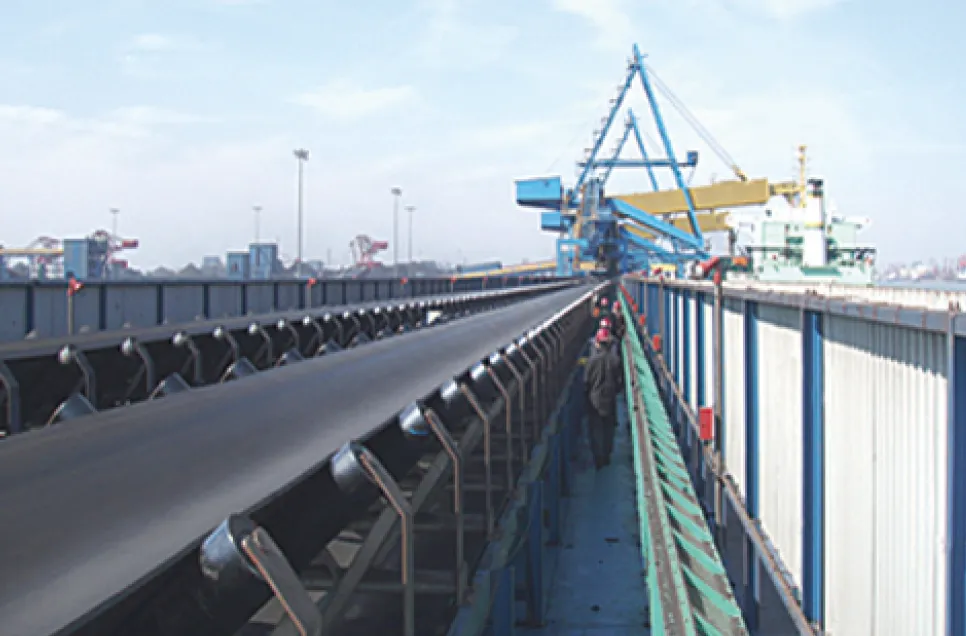

Purpose and Scope of Use:
DTII、DTII(A) fixed belt conveyors. Their main parameters, transmission power, and tension calculation methods adopt ISO international standards and are widely used in various industries.
A single or multiple-unit synthetic transportation system transports the material.
This conveyor is suitable for working in temperatures ranging from -25°C to 40°C.
Product Features:
◆ Conveying materials is below 2.5t/m3
◆ Can be divided into 500, 650, 800, 1000, 1200, 1400, 1600, 1800, 2000、2200, 2400
◆ Can be divided into: 0.8, 1.0, 1.25, 1.6, 2.0, 2.5, 3.15、4.0, (4.5, 5.0, (5.6, 6.5

| Belt width (mm) | 0.8 | 1.0 | 1.25 | 1.6 | 2.0 | 2.5 | 3.15 | 4 | (4.5) | 5.0 | (5.6) | 6.5 |
| 500 | 69 | 87 | 108 | 139 | 174 | 217 | ||||||
| 650 | 127 | 159 | 198 | 254 | 318 | 397 | ||||||
| 800 | 198 | 248 | 310 | 397 | 496 | 620 | 781 | |||||
| 1000 | 324 | 405 | 507 | 648 | 811 | 1014 | 1278 | 1622 | ||||
| 1200 | 593 | 742 | 951 | 1188 | 1486 | 1872 | 2377 | 2674 | 2971 | |||
| 1400 | 825 | 1032 | 1321 | 1652 | 2065 | 2602 | 3304 | 3718 | 4130 | |||
| 1600 | 2186 | 2733 | 3444 | 4373 | 4920 | 5465 | 6122 | |||||
| 1800 | 2795 | 3494 | 4403 | 5591 | 6291 | 6989 | 7829 | 9083 | ||||
| 2000 | 3470 | 4338 | 5466 | 6941 | 7808 | 8676 | 9717 | 11277 | ||||
| 2200 | 6843 | 8690 | 9776 | 10863 | 12166 | 14120 | ||||||
| 2400 | 8289 | 10526 | 11842 | 13158 | 14737 | 17104 |
Note:
1. The conveying capacity in the table is calculated based on horizontal transportation, with a dynamic stacking angle of 20° and a roller groove angle of 35°.
2. The belt speeds of 4.5m/s and 5.6m/s in the table are non-standard values and are generally not recommended for use.
Customer Feedback:
The DTII Belt Conveyor Roller has earned praise from mining and industrial professionals for its durability, reliability, and ability to support conveyor belts effectively. Below are testimonials from satisfied customers:
1: Mining Operations Manager
"The DTII conveyor rollers have significantly improved our conveyor system’s performance. They provide stable support for our coal-carrying belts, reducing wear and maintenance needs. The robust design is perfect for our harsh mining environment."
— Li Wei, Operations Manager, Hebei Mining Co.
2: Port Logistics Coordinator
"We installed DTII conveyor rollers in our port conveyor system for handling sand and gravel. The corrosion-resistant coating is ideal for our coastal conditions, and the rollers ensure smooth belt operation. Our system efficiency has improved, and maintenance costs are down."
— Sarah T., Logistics Coordinator, Jiangsu Port Authority
Case Study: Cement Plant
A cement manufacturing plant in Shandong implemented DTII conveyor rollers in a conveyor system for transporting limestone. The rollers reduced belt wear by 20%, extending belt lifespan and lowering replacement costs. The plant also reported a 15% reduction in maintenance downtime, thanks to the rollers’ durable construction and low-friction design.
These testimonials and case studies highlight the DTII conveyor roller’s ability to deliver consistent performance in demanding environments, earning the trust of professionals worldwide.
Frequently Asked Questions:
Below are answers to common questions about the DTII Belt Conveyor Roller to help you make an informed decision:
1. What is the primary function of the DTII conveyor roller?
The DTII conveyor roller supports and guides the conveyor belt on the carrying or return side, ensuring stable operation and reducing wear during material transport.
2. Can the DTII conveyor roller be customized?
Yes, we offer customization options, including roller diameter, shaft size, bearing type, and surface treatments (e.g., galvanization or polymer coatings).
3. What environmental conditions can the DTII conveyor roller withstand?
The roller operates in temperatures from -25°C to 40°C and can be customized with corrosion-resistant coatings for humid or dusty environments.
4. How do I ensure proper belt tracking with DTII conveyor rollers?
Ensure proper roller alignment during installation using a level or laser tool. Regular maintenance and belt cleaning help maintain tracking.
5. What maintenance is required for the DTII conveyor roller?
Routine maintenance includes inspecting for wear, lubricating bearings, cleaning the belt, and checking alignment every 3–6 months.
6. Are DTII conveyor rollers compatible with non-DTII conveyor systems?
Yes, the rollers are versatile and can be integrated into various conveyor systems, provided the belt width and load requirements are compatible.
For additional questions or technical support, please contact our team via email or phone.
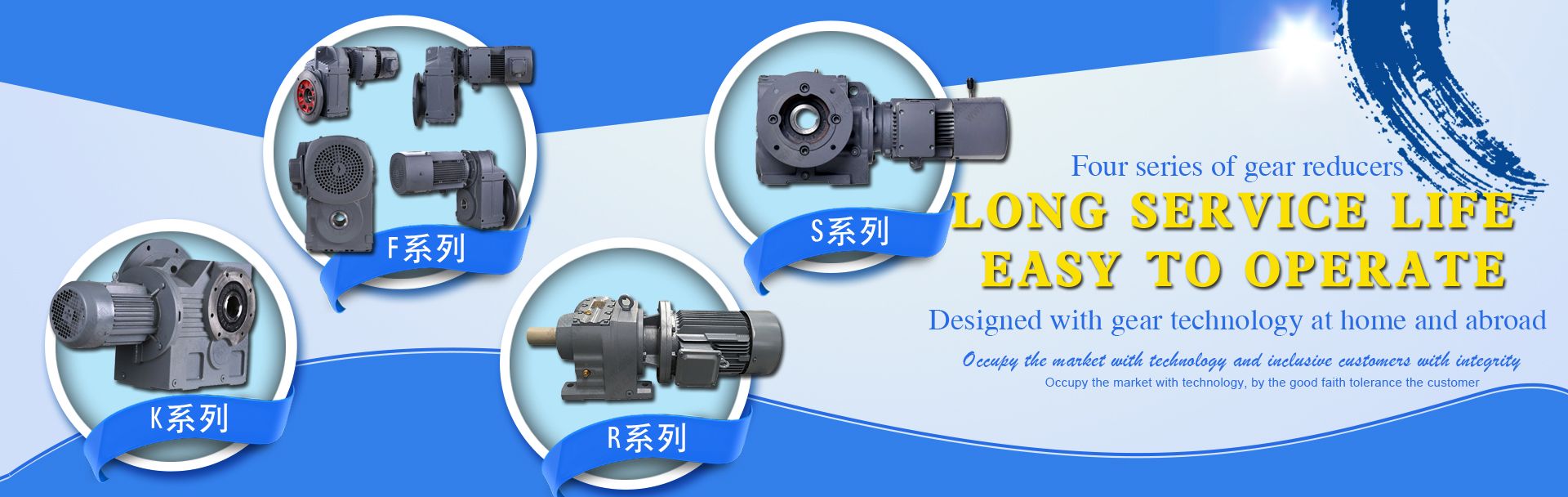
Gear Reducers
World class gear manufacturing capabilities, quality material suppliers, and a state of the art quality process allows EPT to offer the highest level of precision, durability and endurance. The EPT Planetary Reducers are designed and built for advanced high speed low backlash applications. The EPT manufacturing processes allows us to offer exceptional shock load capacities and various mounting options.

Surface Treatment
Annealing, natural canonization, heat treatment, polishing, nickel plating, chrome plating, zinc plating,yellow passivization, gold passivization, satin, Black surface painted etc.
Processing Method
CNC machining, punch,turning, milling, drilling, grinding, broaching, welding and assembly

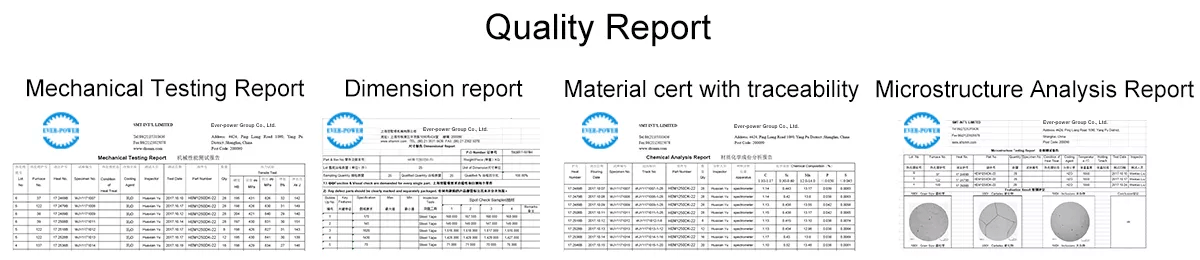
QC & Certificate
Technicians self-check in production,final-check before package by professional Quality inspector
ISO9001:2008 , ISO14001:2001,ISO/TS 16949:2009
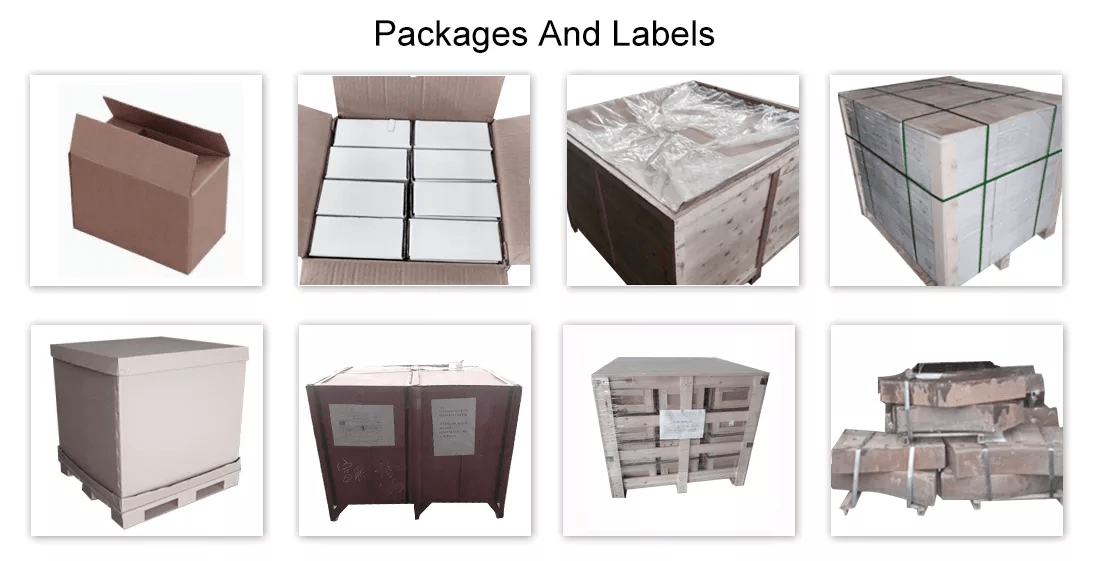
Package & Lead Time
Size: Drawings
Wooden Case/Container and pallet, or as per customized specifications.
15-25days samples. 30-45days offcial order
Port: Shanghai/Ningbo port
FAQ
Q: Are you trading company or manufacturer ?
A: Our group consists in 3 factories and 2 abroad sales corporations.
Q: Do you provide samples ? is it free or extra ?
A: Yes, we could offer the sample for free charge but do not pay the cost of freight.
Q: How long is your delivery time ? What is your terms of payment ?
A: Generally it is 40-45 days. The time may vary depending on the product and the level of customization. For standard products, the payment is: 30% T/T in advance ,balance before shipment.
Q: What is the exact MOQ or price for your product ?
A: As an OEM company, we can provide and adapt our products to a wide range of needs.Thus, MOQ and price may greatly vary with size, material and further specifications; For instance, costly products or standard products will usually have a lower MOQ. Please contact us with all relevant details to get the most accurate quotation.
 EN
EN  ES
ES  RU
RU  FR
FR  DE
DE  PT
PT  JA
JA  AR
AR  IT
IT  ZH
ZH